

Steroids have been a controversial name in the area of drugs. There has been a debate over if the drugs are assafe or are not recommended. Some events and in the past have resulted in providing that the steroids are not at all recommended. However, some of the instances have proved it otherwise. Such is the case of the steroidduring pregnancy. There are a lot of instances when the steroid have resulted to be life-savingfor the premature babies. This has saved a lot of mons to see their child alive. Hence it cannot be said that the steroid completely unsafe.
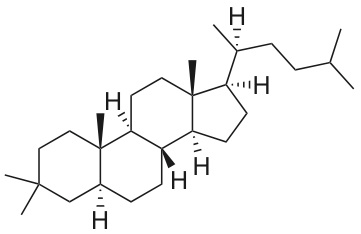
However, in the case of pregnancy, it is completely safe.Dehydronandrolon acetate is a steroid. Here are the top benefits of having at least one steroid shots by the mother to help their child grow safe. Read out the benefits to have a clear understanding.
The need for steroids
Here


